
Last updated: September 2026
Receive a FREE Carbon Monoxide Detector Inspection
We would like to provide Calgary and surrounding areas Peace of Mind and provide you anyone you may know a FREE CO Test to ensure your family is safe this heating season
__CONFIG_colors_palette__{“active_palette”:0,”config”:{“colors”:{“62516”:{“name”:”Main Accent”,”parent”:-1}},”gradients”:[]},”palettes”:[{“name”:”Default Palette”,”value”:{“colors”:{“62516”:{“val”:”var(–tcb-color-1)”,”hsl”:{“h”:84,”s”:0.99,”l”:0.5}}},”gradients”:[]}}]}__CONFIG_colors_palette__ Learn More About Home Safety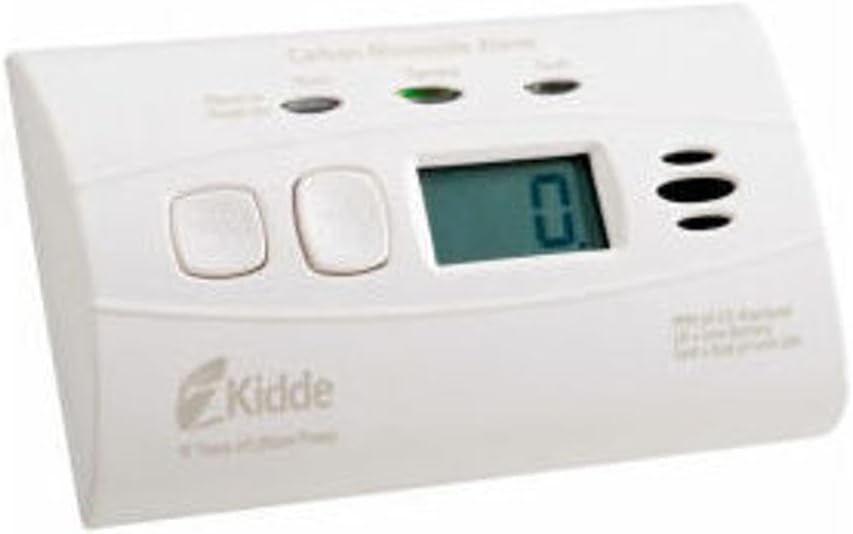
Fill The Form To Have An Agent Reach Out to Book Your Assessment
Ensuring Home Safety
The colorless, odorless gas known as carbon monoxide (CO) has great potential for harm, including death. To avoid CO poisoning, it is essential to install carbon monoxide detectors in your house. But having a CO detector isn’t enough; for it to be effective, it must be placed correctly. We’ll go over everything you need to know in this tutorial, including where to put a carbon monoxide sensor, where to put a CO alarm, where to put a CO detector, and mounting alternatives.
Carbon monoxide is produced when fuels such as gas, wood, coal, and oil are burned. Appliances like furnaces, water heaters, and stoves are potential sources of carbon monoxide. Because CO is colorless and odorless, it is crucial to have detectors strategically placed around your home.
The effectiveness of your carbon monoxide detectors largely depends on where they are installed. Proper placement can significantly reduce the risk of CO poisoning and provide early warnings in case of gas leaks.
Before installing your CO detector, always read and follow the manufacturer’s installation instructions. Different devices may have specific requirements regarding height, distance from appliances, and placement in relation to bedrooms.
Proper carbon monoxide detector placement is a crucial step in protecting your home from the dangers of CO poisoning. By following these CO alarm placement guidelines, you can ensure that your detectors are installed at optimal locations, providing timely alerts during emergencies. Regular maintenance, including testing and battery checks, will keep your detection system up and running.
Investing in quality detectors and understanding the best practices for carbon monoxide sensor positioning will create a safer environment for you and your loved ones. Remember, early detection can save lives! If you have any questions or need further assistance regarding the proper installation of carbon monoxide detectors, don’t hesitate to reach out to local professionals.
__CONFIG_colors_palette__{“active_palette”:0,”config”:{“colors”:{“86287”:{“name”:”Main Accent Light”,”parent”:”a6995″,”lock”:{“saturation”:1,”lightness”:1}},”a6995″:{“name”:”Main Accent”,”parent”:-1}},”gradients”:[]},”palettes”:[{“name”:”Default Palette”,”value”:{“colors”:{“86287”:{“val”:”rgb(251, 111, 111)”,”hsl_parent_dependency”:{“h”:0,”l”:0.71,”s”:0.95}},”a6995″:{“val”:”var(–tcb-color-1)”}},”gradients”:[]},”original”:{“colors”:{“86287”:{“val”:”rgb(111, 181, 252)”,”hsl_parent_dependency”:{“h”:210,”s”:0.95,”l”:0.71,”a”:1}},”a6995″:{“val”:”rgb(19, 114, 211)”,”hsl”:{“h”:210,”s”:0.83,”l”:0.45,”a”:1}}},”gradients”:[]}}]}__CONFIG_colors_palette__ Call Now To Book Your Home Safety Inspection 
See What Our Customers Have To Say…


“The Alberta Indoor crew to install the Gas Fired Water Heater and the Water Softener were excellent and completed the work on time.”
Abdulla Harji

“I normally would hesitate to write a review but I thought I should for this company. Carla and her team are great to work with. I had a split ac installed on my apartment unit and no other company are willing to do the approval process and provide the detailed pricing and the exact specs. The service delivered is prompt and professional, with no hidden cost. I am glad that I’ve chosen Alberta Indoor Comfort. Thank you!”
May Ngu

“Alberta indoor Comfort replaced my old furnace several years ago. They were fast and efficient with a one day install. I decided to order my A/C from them because of their good services and products. Their quote was exactly what I paid. They were on time to install the unit. No mess left behind. I am very happy with their products and service. I will continue to use their services in the future. Very happy with their service and products. They always follow up on any work or installs they do.”
Bev De Paoli
Proudly Serving Greater Calgary, AB

- Calgary
- Cochrane
- Bragg Creek
- Crossfield
- Airdrie
- Chestermere
- Strathmore
- Langdon
- Carseland
- De Winton
- Okotoks
- High River
- Millarville
