
Your Furnace Isn’t the Only Thing That Changes When Winter Arrives When Calgary temperatures start dropping, most homeowners think about
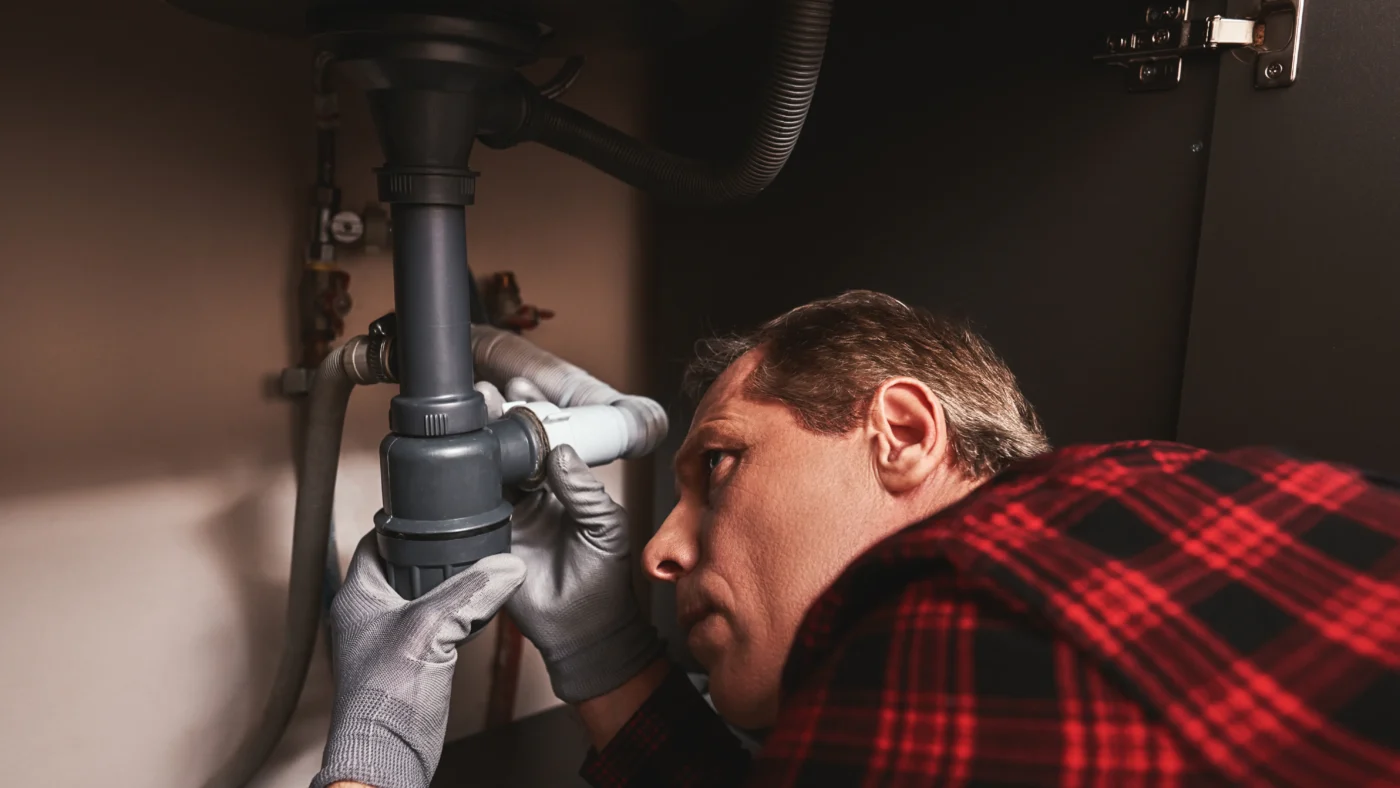
Emergency Plumbing in Calgary: What to Do + When to Call
If you’re reading this with water on the floor, do three things right now:
- Shut off your main water at the valve near the meter.
- Shut off the power to any room where water is near outlets or appliances.
- Call a plumber. You can reach our team at 587-792-1456 or book a call online.
The rest of this guide is for when you’ve done those three things, or when you’re reading ahead of an emergency so you’re ready for Calgary’s most common plumbing failures.
Not every plumbing problem is an emergency. A slow drain can wait until Monday. A pipe spraying water across your basement cannot. This guide shows you how to tell the difference, what Calgary homes face most often, and how to handle the wait until help arrives.
What Counts as a Plumbing Emergency
A real plumbing emergency is any situation where waiting will make the damage bigger, the repair more expensive, or the home unsafe. That usually means one of the following:
- Burst pipe. Water pouring, spraying, or pooling from a pipe anywhere in the home.
- Frozen pipe. A pipe you can’t thaw yourself, especially one you can hear or see bulging.
- Sewer backup. Wastewater coming up through a floor drain, tub, or toilet.
- No hot water during a cold snap. A failed water heater in winter is more than an inconvenience; the home can drop below safe indoor temperatures fast.
- Gas line issue near a plumbing appliance. Any suspected natural gas leak near a water heater or boiler. Leave the home and call ATCO at 1-800-511-3447 first, then call a plumber.
- Major visible leak. Dripping behind a wall, a sagging stained ceiling, or water soaking into drywall or flooring.
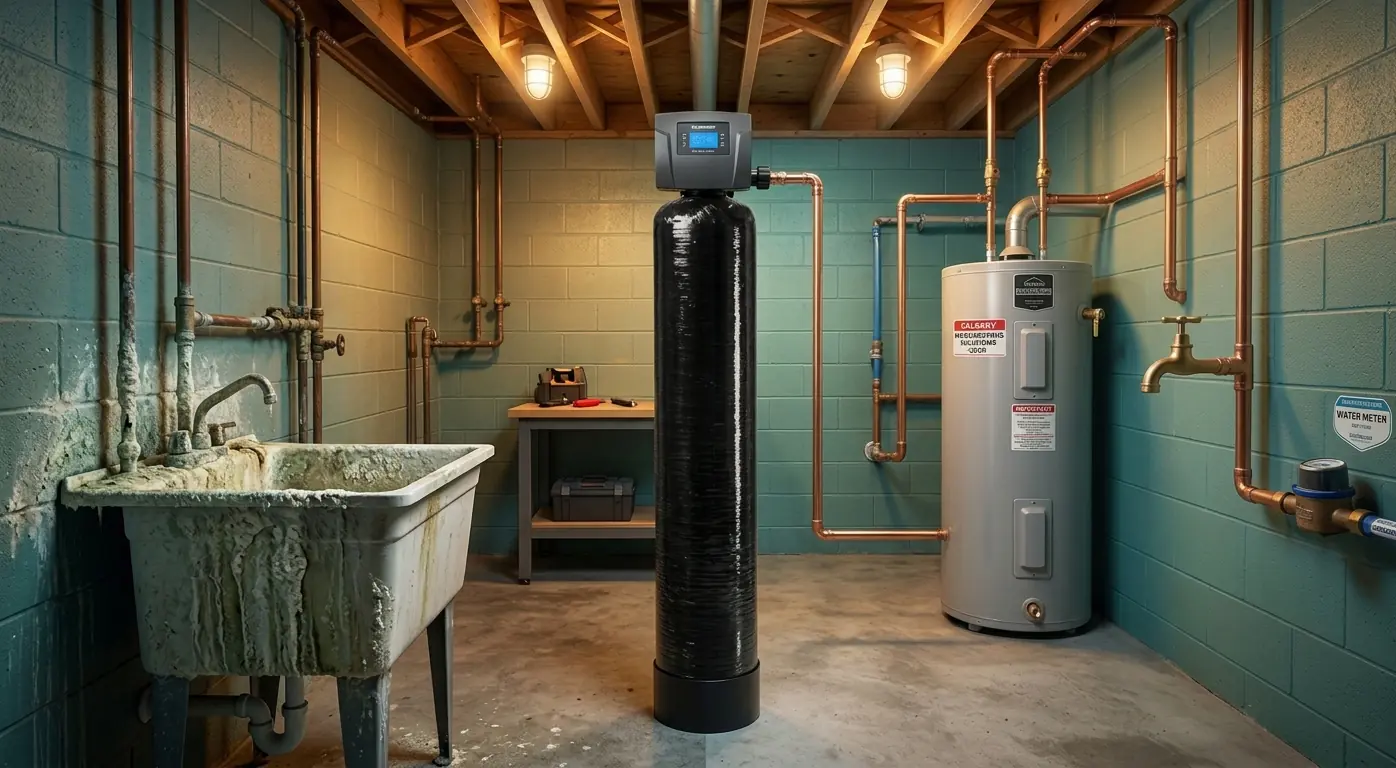
- Water heater tank failure. A ruptured tank dumping 40-60 gallons of hot water into your utility room.
What is usually not an emergency: a single slow drain, a running toilet, a dripping tap, or a water softener error code. Those are frustrating, but they’re next-business-day fixes.
Calgary’s Most Common Plumbing Emergencies
Calgary’s climate and housing stock create a specific set of risks.
Frozen and burst pipes from chinook freeze-thaw cycles
Most Canadian cities deal with steady cold. Calgary deals with chinooks: warm winds that swing the temperature 20-30C in hours. A pipe that was fine at -25C can freeze, thaw, refreeze, and burst within a week. The damage often doesn’t show until the next thaw, when water starts flowing out of a crack the ice had been plugging.
Exterior walls, unheated garages, basement crawl spaces, and hose bibs that weren’t drained in the fall are the usual failure points. A pipe that groans when you turn on the tap, or water that slows to a trickle on a cold morning, is an early warning.
Poly-B pipe failures
Around 148,000 Alberta homes were built with Poly-B (polybutylene) plumbing, mostly between 1978 and the mid-1990s. The pipe itself isn’t the main problem. It’s the fittings and the way the system reacts over time to chlorine and heat. Failures can happen anywhere along the run, often suddenly.
Some insurance providers now treat Poly-B homes differently. A few will still cover you. Others require a repipe before renewal. Some will pay a claim once but not again. If you’re in a home from that era, a Poly-B assessment is worth booking. Our whole-home plumbing upgrade options include full Poly-B to PEX repipes, which most insurers accept.
Water heater failures during cold snaps
A tank water heater’s worst day tends to be its coldest day. Thermal stress, sediment buildup from Calgary’s hard water, and the age of the unit all catch up at once. If your heater is ten or more years old and you see rust at the base, water underneath, or inconsistent hot water, you’re on the replacement clock.
In a cold snap, a failed water heater isn’t just about showers. It can leave the house too cold for safe conditions. That’s an emergency.
Sewer backups during spring melt
From March through May, Calgary’s snowpack drains into the sewer system. Homes with older mainlines (especially clay or cast iron) are vulnerable to infiltration and blockages during the melt. A bubbling floor drain, a toilet that won’t flush cleanly, or a sewage smell in the lowest level are all warning signs.
A sewer backup is always a call-right-now situation. Wastewater exposure is a health issue, and damage to flooring and drywall gets worse the longer the water sits.
Basement sump pump failures
If your home has a sump pit, that pump is the single line of defense between the water table and your basement during heavy rain or fast melt. Pumps fail. Power outages happen. Float switches stick. A sump that isn’t keeping up, or one that’s silent when it should be cycling, is a same-day call, especially between April and June.
What to Do Before Help Arrives
A few minutes of the right action saves thousands in water damage.
If a pipe bursts
- Shut off the main water valve.
- Shut off power to any circuits in the affected area.
- Open a cold tap on the lowest floor to drain pressure.
- Move furniture, rugs, and electronics out of the water’s path.
- Lay down towels to slow the spread, and photograph everything for insurance.
If a pipe is frozen (but not yet burst)
- Open the tap the frozen pipe feeds. Even a trickle helps.
- Apply gentle heat with a hair dryer or warm towels, starting nearest the tap and moving toward the frozen section. Never use an open flame.
- Keep the area warm. Open cabinet doors under sinks on exterior walls, run a space heater safely, and keep the home above 13C even when you’re away.
- If you can’t locate the freeze or the pipe is bulging, stop and call a plumber. A cracked pipe will start leaking the moment it thaws.
If a sewer line backs up
- Stop using water in the house. No flushing, no laundry, no dishwasher.
- Keep people and pets away from the affected area.
- Do not use chemical drain cleaners. They won’t clear a mainline blockage and can make cleanup worse.
- Open windows for ventilation, then call a plumber with mainline equipment (camera, auger, hydro-jet).
If a water heater is leaking
- Shut off the water supply to the tank at the valve on the cold inlet line on top of the unit.
- Shut off power. Flip the breaker for an electric heater, or turn the gas control valve to “off” for a gas unit.
- If the tank is actively dumping water, attach a garden hose to the drain valve at the bottom and run it to a floor drain or outside.
- Do not try to relight a gas pilot on a leaking tank. Call a plumber. Most leaking tanks need replacement, not repair.
How to Find Your Main Water Shut-Off
Every Calgary homeowner should know where their main shut-off is before they need it. In most single-family homes, it’s on the wall where the city water line enters the basement, usually near the front of the house. You’ll see a meter, and on the house side of the meter, there’s a valve: either a ball valve with a lever, or an older round gate valve.
To close it, turn a lever 90 degrees or turn a round handle clockwise until it stops. In condos and townhomes, the shut-off may be in a utility closet or behind an access panel. Check with your property manager if you can’t find it.
If the main shut-off won’t close, the City of Calgary can shut water off at the street. Call 311. It’s slower, but it works when your main valve has seized. Test your valve once a year. Turning it off and on keeps it from seizing when you actually need it.
When It Is NOT an Emergency
Knowing what can wait saves you money. Most of the following can safely wait until a regular business-hours appointment:
- A single slow drain. Try a plunger, then a drum auger. If it’s still slow tomorrow, book a regular-hours visit.
- A running toilet. Shut the supply valve at the base of the toilet and book a next-day appointment.
- A dripping faucet. Put a cup under it and call in the morning.
- A water softener error. Bypass the softener if you can, then book a service call.
- Low water pressure house-wide. Often a municipal issue. Check with neighbours first.
- A water hammer noise. Noisy, not damaging on its own.
Every one of these is worth fixing. None of them require emergency service.
How AIC’s Emergency Response Works
When you call 587-792-1456 during business hours, we dispatch a licensed plumber as quickly as our schedule allows. Same-day response is standard for active leaks and burst pipes. Our team carries parts for the most common emergency repairs (burst pipe, frozen pipe, water heater replacement, mainline clearing) so most calls finish on the first visit.
If your emergency hits overnight or on a weekend, the triage steps above buy you time until business hours. Shut off the main water valve, kill power to affected circuits, move valuables out of the water’s path, and photograph the damage for insurance. Call us first thing when we open; we prioritize active-damage calls.
We’ve served Calgary homeowners for 30 years and are rated 4.9 stars on Google. If your home was built between 1978 and 1995, Poly-B is likely part of your plumbing, and our team can assess whether a repair will hold or whether a full repipe is the better long-term call.
Plumbing emergency during business hours?
Call 587-792-1456 now. Same-day response for active leaks and burst pipes. We’ll talk you through shut-off while we dispatch a plumber.
Prevention: How to Avoid Most Calgary Plumbing Emergencies
Most emergencies are predictable. A few hours of prevention each year is cheaper than one emergency repair.
Winterize in October. Disconnect and drain outdoor hoses. Shut off interior valves to hose bibs and open the exterior bib so trapped water can drain. Insulate pipes in unheated spaces (garages, crawl spaces, exterior-wall cavities). The CMHC home maintenance guide has a full fall checklist.
Know your home’s plumbing age. Poly-B systems need assessment and, in many cases, replacement. Homes with cast iron or clay drain lines benefit from a camera inspection every few years.
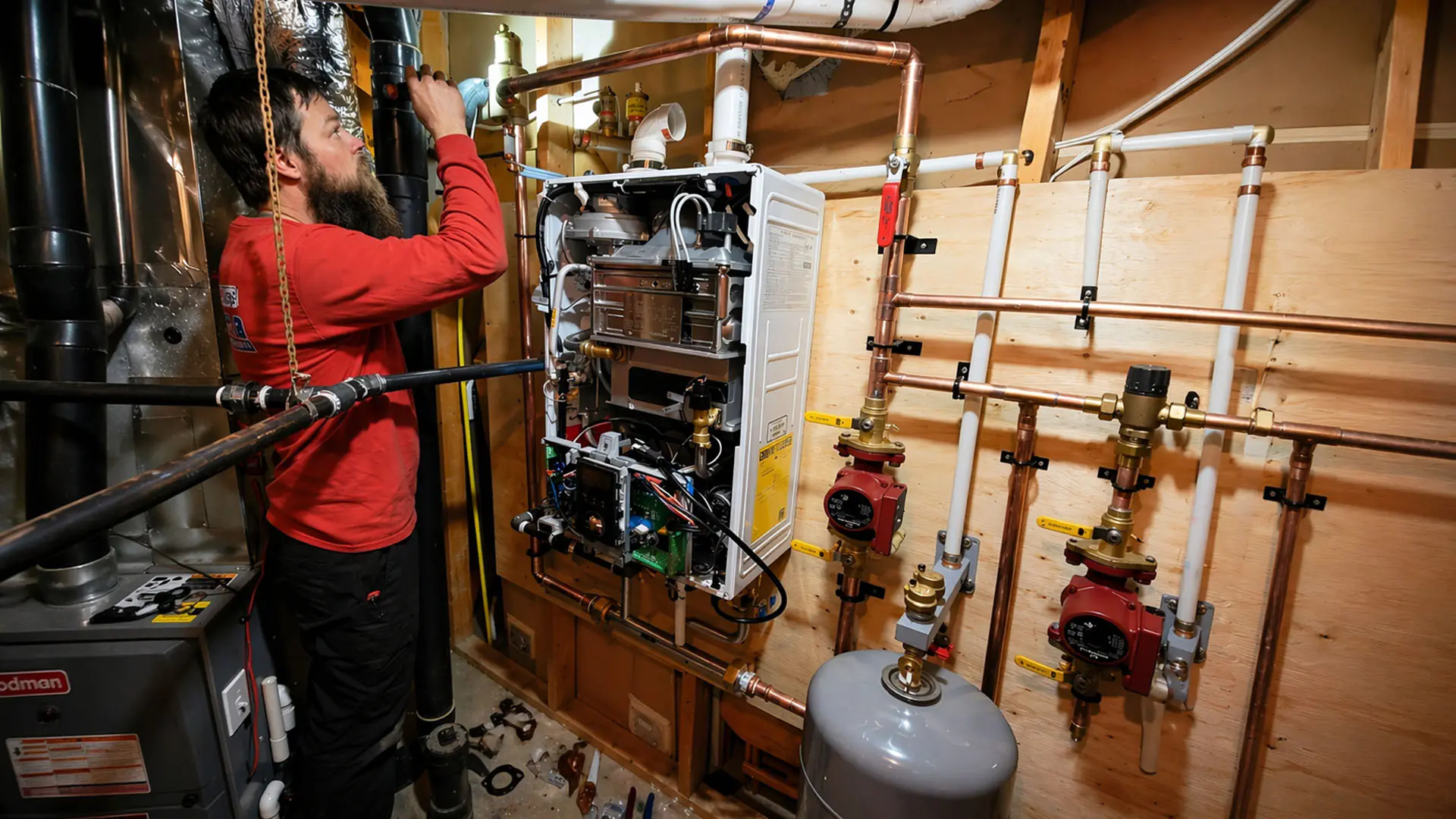
Replace your water heater before it fails. Tank heaters last 10-15 years in Calgary’s hard water. Past the 10-year mark, budget for replacement rather than repair. A tankless unit is a good option for households that have outgrown a tank.
Annual plumbing inspection. A yearly walk-through catches corroded shut-off valves, early pipe wear, and washing-machine supply lines that are bulging or cracking before they fail.
Test your main valve twice a year. Close it, open a tap to confirm no flow, then reopen the valve. This prevents seizing.
Frequently Asked Questions
How much does emergency plumbing cost in Calgary?
Pricing varies by type of repair and parts needed. A burst pipe repair typically runs a few hundred dollars. A full water heater replacement runs $2,000-$4,500 depending on the unit. AIC provides upfront pricing before work begins.
What should I do if a pipe bursts?
Shut off the main water valve, shut off power to affected areas, open a cold tap on the lowest level to drain pressure, move valuables away, photograph the damage for insurance, and call a licensed plumber. The first five minutes matter.
How do I shut off my water in a Calgary home?
Look along the wall where the water line enters the basement, usually near the front of the house. You’ll find a meter and a valve. Turn a lever 90 degrees or a round handle clockwise until it stops. If your valve is seized, call 311 and the City can shut water off at the street.
Is a slow drain an emergency?
Usually no. A single slow drain can wait for regular-hours service. It becomes an emergency only if multiple fixtures back up at the same time, which points to a mainline issue.
What hours is AIC’s plumbing service available?
AIC’s plumbing team is available during business hours (Monday to Friday with limited Saturday availability). For overnight or weekend emergencies, the triage steps in this guide (shut off main water, shut off power, document damage) buy you time until we can dispatch. We prioritize active-damage calls when we open. If your emergency is gas-related, call ATCO at 1-800-511-3447 first.
How do I know if my pipes are frozen?
Signs include a tap that produces only a trickle or no water, visible frost on an exposed pipe, a pipe that’s cold to the touch where it’s usually warm, and groaning sounds in the walls when you open a tap. Open the tap the pipe feeds, apply gentle heat near the tap and work toward the frozen section, and call a plumber if you can’t locate or reach the freeze.
What is Poly-B and why is it a problem?
Poly-B (polybutylene) is a grey plastic pipe installed in about 148,000 Alberta homes, mostly between 1978 and the mid-1990s. The fittings can degrade over time, especially with chlorinated water and heat, leading to sudden leaks. Some insurers now restrict coverage for Poly-B homes, so a full PEX repipe is often the better long-term choice.


DID YOU KNOW ?
More studies show that cognitive function was shown to be up to 50% worse in environments with higher carbon dioxide concentration, which is a symptom of insufficient make up air.
Consult our Experts to enhance your home to a great learning environment.
Refer a friend
Know someone who needs us?
Send someone our way and we pay you for it. Cash out in seven to fourteen days — no points, no credit against a future job.
- $100your first system referral
- $150your second
- $200every one after that
- $25any install, service or repair
System referrals apply to a complete heating and cooling system purchase. Terms and conditions apply.
Wondering how your own home measures up?
The Wellness by Home Readiness Check is free, takes three minutes, and
returns a written profile across air, water, humidity, light and sound.
Read us first on Google. Add Alberta Indoor Comfort as a preferred source and our Calgary home-environment articles are more likely to appear in your Top Stories and AI Overviews.
Add albertaindoorcomfort.com as a preferred source on Google