The Water Main Break in Calgary & Its Extensive Effects
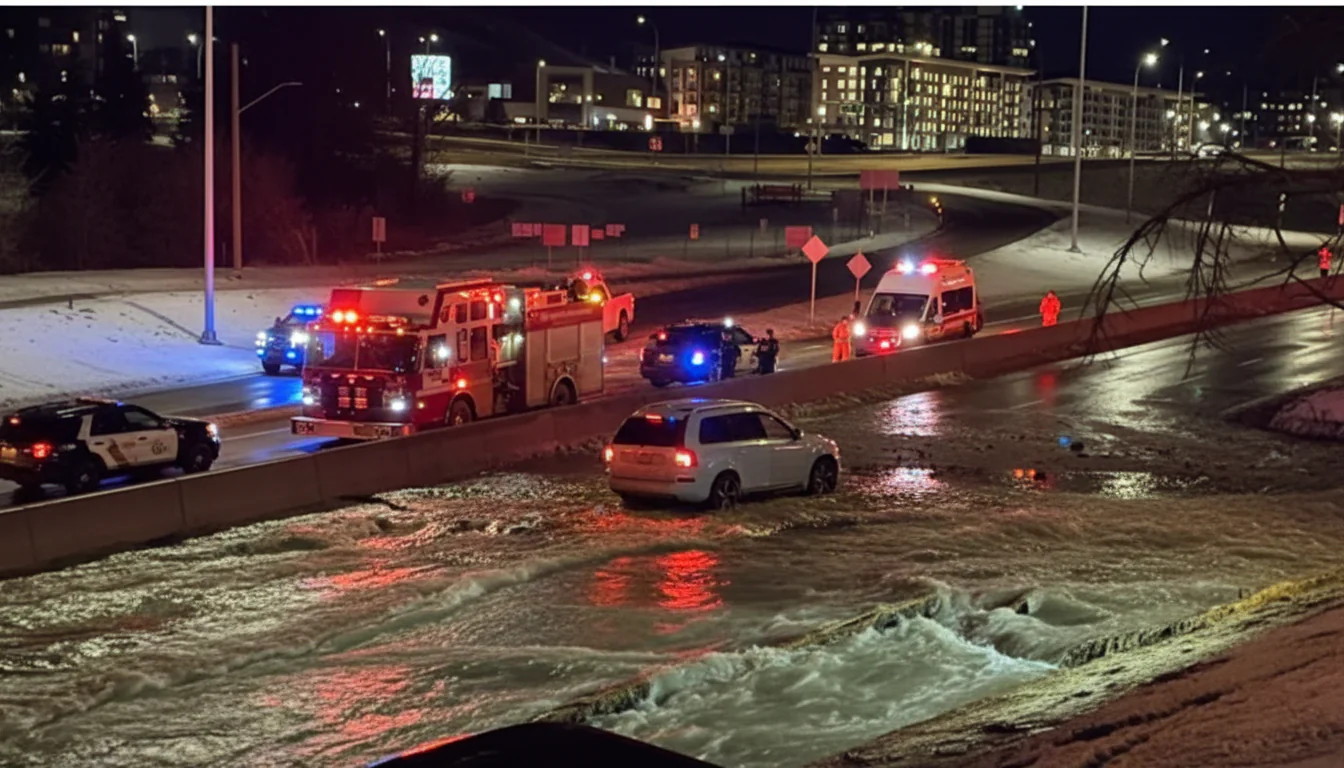
At the height of the incident, vehicles were caught in floodwater when a major water main broke in Calgary’s northwest, prompting emergency rescues and widespread water advisories[1]. On the evening of Dec. 30, 2025, a critical water main ruptured near 16th Avenue N.W. and Sarcee Trail, flooding parts of the Bowness community. City officials estimate about 2,000 homes and 100 businesses were affected by water outages or low pressure[2]. Thirteen people – including three children – even had to be rescued from seven cars trapped in the gushing water by Calgary Fire Department crews[1]. In response, the city activated its Municipal Emergency Plan and Stage 4 water restrictions, urging all Calgarians to conserve water (for example, keeping showers under three minutes and running laundry only when full)[3]. Most importantly, Alberta Health Services issued a boil water advisory for several neighborhoods, including parts of Montgomery, Parkdale, Point McKay and West Hillhurst[4]. This means families in these areas suddenly had to change how they use tap water in their homes until officials give the all-clear.

When Infrastructure Fails, Water Safety Is at Risk
As a fellow mom, I know how alarming it is to hear that our reliable city water might be unsafe. So, why did this Calgary water main break lead to a boil water advisory in the first place? When a major water main ruptures, the pipeline not only spills water (causing flooding), but the sudden drop in pressure can allow contaminants to seep into the water supply. In this case, the broken pipe was a key feeder main from the Bearspaw reservoir that normally carries about 60% of Calgary’s water[5]. A break of that size raised immediate concerns about water quality. Health authorities issued the advisory as a precaution because any breach in the infrastructure means we cannot be sure the water is free of bacteria or other harmful microbes until the system is repaired, flushed, and tested. In short, the city water system itself was in emergency mode, and our tap water needed to be treated with extra caution to keep our families safe.
City officials have stressed that they’re working around the clock to fix the issue and that the overall water system remains robust. But until the repairs are done and water tests clean, “unsafe to drink” is the assumption we must make about tap water in the affected zones. That’s why understanding a boil water advisory – and how to manage through it at home – is so important.
What a Boil Water Advisory Means for Your Family
A boil water advisory is more than just a public notice – it’s a call to action for parents to safeguard their households. In simple terms, when an advisory is in effect the water from your taps isn’t safe to drink or use the way you normally would[6]. This doesn’t mean your water is definitely contaminated, but there is a risk it could contain bacteria, viruses, or parasites that can make people (especially young kids) very sick. As a mom, my immediate thought was: What about the kids? Babies and young children are particularly vulnerable, so we have to be extra careful with everything involving their water.
Practically speaking, a boil water advisory in Calgary means you must treat tap water before using it for anything that might go into the body. That includes obvious things like drinking and cooking, but also some easy-to-miss uses: mixing infant formula, making juice or coffee, washing fruits and veggies, brushing teeth, and even feeding our pets. All these activities now need boiled (and cooled) water, or a safe alternative like bottled water[7]. If you already prepared something with tap water after the advisory was announced – say a pitcher of iced tea or baby formula – it’s heartbreaking, but you should throw it out to be safe[8]. It’s better to err on the side of caution when it comes to our little ones’ health.
I know this can feel overwhelming. Suddenly, everyday tasks like rinsing an apple or cleaning a baby bottle require extra steps. We might feel anxious wondering if our home’s water is secretly harboring germs. But I want to reassure you: we can handle this. We just need to follow some clear guidelines until officials lift the advisory. We know advisories can feel disruptive — but with a few clear precautions, you can keep your family safe and comfortable until everything returns to normal[9]. Let’s break down those precautions, mom-to-mom, so you know exactly what you can and can’t do with your tap water right now.
Using Tap Water Safely During a Boil Water Advisory
So, what can we do with the tap water, and what should we avoid? Here’s a quick rundown to help during this boil water advisory:
- Must Boil or Use Bottled Water For… Anything you and your children might ingest! This includes: drinking, cooking and food prep, brushing teeth, washing or rinsing fruits and veggies, mixing infant formula or baby cereal, making coffee, tea, or juice, and even making ice[7]. In short, if it goes in mouths (including our pets’ water bowls), it needs to be boiled for a full minute at a rolling boil first (then cooled), or else replaced with bottled water. No shortcuts here – boiling is the surest way to kill any bacteria or viruses that might be in the water[10].
- Safe to Use Tap Water (No Boiling) For… Bathing, showers, and washing clothes. It’s OK to bathe or shower in tap water under a boil advisory as long as no one drinks the water[11]. That means reminding your kids not to swallow the bath water or let it get in their mouths. (For babies and toddlers, you might consider sponge baths to be extra safe, since they sometimes try to sip the water or stick bath toys in their mouth[12].) Laundry can be done as usual – your clothes will still get clean, since any germs in water won’t survive on dry fabric. Cleaning floors or regular household cleaning is fine too.
- Extra Cautions for Cleaning and Play: Avoid water play activities for kids during this time – no filling the kiddie pool or water table, since little ones inevitably end up splashing that water into their mouths[13]. You can still wash your hands with tap water and soap, but it’s recommended to follow with an alcohol-based hand sanitizer afterward as an added measure[14]. For washing dishes, you have two options: use a dishwasher on the high-heat or sanitize cycle (that will kill germs), or wash dishes by hand with an extra step. If hand-washing, wash and rinse as normal with hot soapy water, then soak the clean dishes in a mild bleach solution (for example, a teaspoon of unscented household bleach per liter of water) for about 1-2 minutes, and let them air dry[15][16]. This sanitizing step will ensure your plates and bottles are safe for the next meal. It might sound like a lot, but it’s a tried-and-true method to disinfect dishes during boil water advisories.
- Boiling Basics: Keep a big pot or kettle handy and get in the habit of boiling more water than you think you’ll need, then let it cool in covered containers. Bring water to a rolling boil for a full minute (at least 60 seconds bubbling away)[10]. You can boil a large batch in the morning and use it throughout the day for drinking, cooking, and brushing teeth – just pour the cooled, boiled water into clean pitchers or pots and cover them. If you have older kids, remind them that even for things like making ramen or hot chocolate, they need to use the pre-boiled water. It can help to label a jug “BOILED WATER – SAFE” on the counter so everyone in the family uses the right water.
- Coffee Machines and Appliances: Many of us rely on devices like coffee makers or Keurig/K-cup machines for our caffeine fix (because, let’s face it, parenting is tiring!). Be careful: not all these appliances heat water hot enough or long enough to kill bacteria. A standard coffeemaker typically heats water to around 70°C but may not maintain that temperature for the 5 minutes needed to ensure safety[20]. Pod coffee machines often heat water very quickly, which isn’t sufficient to sanitize. During the advisory, it’s best to use boiled water to brew your coffee or tea, or use an electric kettle that brings water to a full boil. Some high-end espresso machines might have built-in boilers that reach safe temps, but unless you’re certain, don’t risk it. (I’ve taken to boiling water and pouring it into my coffee machine – it’s a bit old-school, but it works for now!)
- Cooking Adjustments: When boiling water for cooking (like making pasta or boiling potatoes), the cooking process itself will usually involve boiling, so that’s fine. But for any recipe requiring water that won’t be boiled (e.g., adding a cup of water to a sauce after cooking, or using water in a bread maker), use pre-boiled or bottled water. Wash all fruits and veggies with water that’s been boiled and cooled[21]. And remember, this includes water for things like Jell-O, pudding mixes, or oatmeal – basically, if the water wouldn’t be boiled during the food prep, make sure you boil it first separately.
- Keep the Routine (with tweaks): You can still give your toddler a bath, still wash sticky hands, still do all the normal tasks – just integrate the safety steps. For instance, I’ve put a post-it note by the bathroom sink, “Use boiled water to brush!” as a reminder. Little changes like that help us moms keep everything straight amidst the chaos.
- Flush Your Plumbing: Turn on the cold water at every tap in your home and let it run for at least 5 minutes (or until it’s cold and steady) to flush out any potentially contaminated water in the pipes[22]. Do the same with the hot water side – it might sputter a bit at first. If you live in a multi-storey home, start on the lowest level and work your way up, flushing floor by floor. This ensures you’re drawing the freshest water through the whole system.
- Empty and Refill Appliances: Dump out any ice made during the advisory and flush your refrigerator’s water dispenser line according to the manufacturer’s instructions[23]. It often helps to run the water dispenser for a few minutes and make (and discard) a batch of ice cubes to clear the line. If you have water coolers, instant hot water taps, or any other plumbed-in dispensers, those should be flushed and cleaned too. Essentially, any appliance that holds water from the tap needs attention now.
- Replace or Sanitize Filters: This is crucial. Replace the cartridges on your point-of-use water filters (like fridge filters, under-sink filters, or faucet attachments) since they may have trapped contaminants[23]. For your reverse osmosis system, follow the manufacturer’s guidelines to flush and sanitize the system and change out all the filters now that the advisory is over[24]. If you’re not sure how to do this, don’t hesitate to call a water treatment professional for help. The goal is to ensure none of the “bad water” remains in those filters or membranes.
- Water Heater and Softener: If your hot water tank was turned off or the water inside cooled significantly during the event (which can happen if water usage was low), consider draining and refilling your hot water heater[25]. This ensures you’re not harboring any stagnant water. Also, it’s a good idea to regenerate your water softener after things return to normal[26]. Regeneration will flush out the softener resin bed with fresh water and reset it, just in case any impurities entered the system. It also gets your softener back to peak performance, providing luxuriously soft water as we all take our well-deserved post-advisory bubble baths.
Remember, the goal of these do’s and don’ts is to stop any germs from getting into your family’s stomachs. Boiling water is a little extra work, but it’s the best way to make sure your water is safe when the city water supply is uncertain. And the good news is these advisories are temporary. With a few workarounds like the ones above, you can keep life fairly normal – your kids can still take warm baths (just no bubble bath taste-testing!), and you can still cook your favorite dinners, as long as you plan for that boiling step.
Why Filters and Reverse Osmosis Alone Aren’t Enough
You might be thinking, “Okay, but I have a fridge filter or a fancy reverse osmosis system – do I really still need to boil my water?” As an HVAC and water treatment professional and a mom, let me share an important truth: during a boil water advisory, typical home filtration systems are not sufficient to guarantee water is safe.
Most common home water filters (the kind in your fridge or a pitcher or faucet attachment) are great for improving taste or reducing chlorine and some chemicals, but they do not remove most bacteria or viruses[17]. The pores in those filters are not tiny enough to catch microscopic pathogens. Health authorities like the CDC emphasize that even filtered water should be boiled during an advisory, because those germs can slip through filters[18].
What about reverse osmosis (RO)? RO systems are excellent in normal circumstances – they push water through a very fine membrane to remove many impurities, including hard minerals (and many high-net-worth homes in Calgary use RO to get ultra-pure drinking water). However, most household RO systems are not certified to remove all harmful bacteria or viruses[19]. Unless you have a professional-grade RO unit that specifically includes UV sterilization or another microbiological purification feature, and it’s been meticulously maintained, you cannot assume your RO water is safe under a boil advisory. In fact, our Alberta Health Services guidelines say you should continue to boil RO-treated water unless you’re absolutely sure your system can eliminate microbial threats[19]. It’s a rare home system that can make that claim. So, yes – even with filters and an RO in place, you still need to boil or use bottled water right now. Better to be safe with boiling than sorry.
Think of it this way: your Brita or RO is like a helpful friend that can tackle some dirt, but a boil advisory is calling in the big guns because we’re dealing with potential invisible germs. Boiling for one full minute kills those germs, period. No filter (short of very advanced setups) can guarantee that in a situation like this. So please, take that extra step for your family’s health. Boil tap water even if it’s been filtered[17] – it’s the only way to be sure any nasty bugs are gone.
Maintaining Water Safety Until the Advisory Is Lifted
Living under a boil water advisory is inconvenient, but Calgary’s moms are nothing if not resourceful! Here are some practical tips to maintain water safety in your home until this advisory is lifted:
Above all, try to stay calm and confident. These measures might be a hassle, but they are effective. Boiling water and following the guidelines will keep your family safe. And the advisory won’t last forever. City crews are working hard to fix the broken main and ensure the water system is clean again. In the meantime, we can manage just fine with a bit of patience and a lot of boiled water.
After the Advisory: Cleaning Up and Moving Forward
When the happy news finally comes that the Calgary boil water advisory is over, there are a few important steps to take before you go back to business as usual. Think of it as giving your home’s water system a fresh start. Here’s what to do once officials lift the advisory:
Once you’ve done this post-advisory checklist, your home’s water system should be clean, safe, and ready to use like normal. It might be worth running a load of dishes through on sanitize and washing a load of towels in hot water after everything is flushed, just for extra peace of mind that all your wares are rinsed with safe water. After that, congratulations – you’ve navigated the crisis!
Looking Ahead: Is It Time to Upgrade Your Home’s Water System?
Going through this boil water advisory has been stressful for many families. It’s only natural to start thinking, How can we prevent this kind of disruption in the future? While we can’t stop a city water main from breaking, we can make our homes more resilient against water quality issues. As someone who works in the home comfort industry (and who cares about my own family’s health), I’d like to gently suggest considering some long-term water treatment solutions for your home. High-net-worth households, in particular, often invest in systems that provide an extra layer of security and quality for their water.
One option is a whole-home water filtration system. This is installed at your home’s water entry point (where the city water comes in) and can filter all the water going to every tap. Whole-home systems can be customized – for example, some include sediment filters, carbon filters, and even UV sterilization units that kill bacteria. During a boil water event, a properly configured system with UV can act as a safeguard by neutralizing microbes before the water reaches your tap[27]. It’s like having a mini water treatment plant right at home. Keep in mind, you’d still want to follow official advisories (trust me, I always will), but having that added protection can grant tremendous peace of mind. Plus, a whole-home filter improves your everyday water quality – no more chlorine smell, cleaner water for showers and laundry, etc.
Another approach is an advanced reverse osmosis system for your drinking water. The RO units many of us have are under-sink models that service one faucet. Upgrading to a higher-capacity or multi-stage RO with features like UV light or special post-filters can ensure your drinking water is as pure as possible, even if the incoming water isn’t. These advanced systems are often used in commercial settings or health care, but they’re becoming more accessible for home use too. If you’ve been boiling water for baby formula or buying jugs of distilled water, a robust RO system could save you that hassle in the future by providing ultra-purified water on demand.
And since I’m speaking to my fellow Calgary moms, I’ll also mention water softeners. While a standard water softener doesn’t make water safer from bacteria (it’s designed to remove hardness minerals like calcium and magnesium), it does make life a lot nicer in our hard-water city – softer skin, shinier hair, scale-free kettles, and longer-lasting appliances. More relevantly, a water softener pairs well with filtration: the softener tackles the minerals and the filter/RO tackles the contaminants. Together, they give your family both high-quality and comfortable water. Many of my clients choose a combination of a whole-home softener and a filtration system, so they enjoy both the aesthetic and health benefits.
Now, I want to be very clear: I’m not saying everyone needs to rush out and buy a bunch of expensive equipment. Boil water advisories are (thankfully) rare, and the City of Calgary does an excellent job delivering clean water 99.9% of the time. Any upgrades to your home’s water treatment should be well-considered and suited to your family’s needs. It’s about peace of mind and lifestyle. If you’ve ever been on the fence about improving your water system, this might be a nudge to explore your options – whether it’s adding a filter so you never taste chlorine again, or installing an RO system so that you know even if something happens, your drinking water is as safe as can be.
We’re Here to Help, Mom-to-Mom
Finally, I want to end on a supportive note. As the owner of Alberta Indoor Comfort – and more importantly, as a mom – I truly understand the worries you might have when something like this water main break happens. All of us just want to keep our children healthy and our homes running smoothly. My team at Alberta Indoor Comfort is here as a resource for you. If you’re unsure about your RO system, filtration unit, water softener, or even just how to properly flush your lines when this is over, please know you can give us a call for advice[28]. We’ve been helping Calgary families with their HVAC and water treatment needs for years, and we’re happy to share our expertise to ease your mind.
At the end of the day, our priority is your family’s safety and comfort. We adhere to the philosophy that it’s unethical to sell something people don’t need, but also unethical not to provide something that could genuinely help someone[29]. So you’ll never get a pushy sales pitch from us – just honest guidance. Whether you just need reassurance about boiling water, help disinfecting your plumbing system after the advisory, or you’re curious about upgrading to a whole-home filtration or softening solution, we’re here to support you like a neighbor, not a salesperson.
Going through a boil water advisory is definitely a challenge – especially amidst our busy family lives – but you’ve done an amazing job just by seeking out information and taking care of your household during this time. Hopefully, the repairs will be completed soon and Calgary’s water will be back to normal. Until then, keep boiling that water and hugging those kids. We’ll get through this together, and maybe come out the other side with even greater confidence in keeping our homes safe. From one mom to another, take care, and don’t hesitate to reach out if you need a hand with anything. Stay warm, stay safe, and here’s to clean, worry-free water for all of us again very soon.
Sources:
- CBC News – Boil water advisory in effect for several areas of Calgary after major water main break[30][31]
- City of Calgary – Bearspaw water main break Updates[4]
- CityNews – Water main break impacts Calgary homes[2][1]
- CityNews – Boil advisory and water restriction details[7][11]
- Alberta Indoor Comfort – Guidance on Using Water Safely During a Boil Water Advisory[8][19]
- Texas Commission on Environmental Quality – Boil Water Notice Guidance[17][18]
Related Articles:


We Specialize in Senior Accessibility
Give us a call to find out more about how we help with age-in-place


What is real comfort and safety ?
Real comfort is going home from work in the winter and be in your most favorite and most comfortable clothing. Real comfort is taking a shower without worrying of running out of hot water.
Real comfort and safety is getting great rest at home without worrying about your system breaking down. To some, if not all, real comfort is having total control of the temperature at home, be it for heating or cooling, when you need it.
Each of us has our own definition of comfort and safety because we have different needs and wants. Different needs requires different solutions. Solutions that will bring real comfort and safety.
Have a question?
let us know how we can help with all your home maintenance, Service & repair needs


KEEP WARM
AND COOL
Real comfort and safety from having total control of your home's temperature, heat and cool, whenever and wherever you need it.

HAVING GREAT
INDOOR AIR
Real comfort and safety from particulates, bacteria and viruses we don't see. Reducing health risk by creating a healthier, clean air.
SAVE MONEY ON
UTILITIES
Real comfort and safety from reducing cost of utilities, having more purchasing power on more important needs of the family.
COMFORT & SAFETY
AS GIFTS
Real comfort and safety can be shared to your family, love ones, friends and colleagues. Great news is always meant to be shared.
Consult our Experts to enhance your home to a great learning environment.
DID YOU KNOW ?
More studies show that cognitive function was shown to be up to 50% worse in environments with higher carbon dioxide concentration, which is a symptom of insufficient make up air.


