Furnace No Heat What To Check Before Calling For Service
A furnace that isn't heating is one of the most frustrating challenges a homeowner might encounter, especially in the winter months. Fortunately, many situations that result in a lack of heat are due to straightforward issues that can be checked safely without the need for tools, training, or risk. This guide outlines the most frequent reasons why a furnace ceases to generate heat, what you can inspect on your own, and when it's best to stop and reach out to a professional.
This article is intended for homeowner-level inspections only. If you ever detect a gas odor, hear strange sounds, or feel uncertain, please stop right away and contact a qualified HVAC expert.
Step 1 Check Your Thermostat First
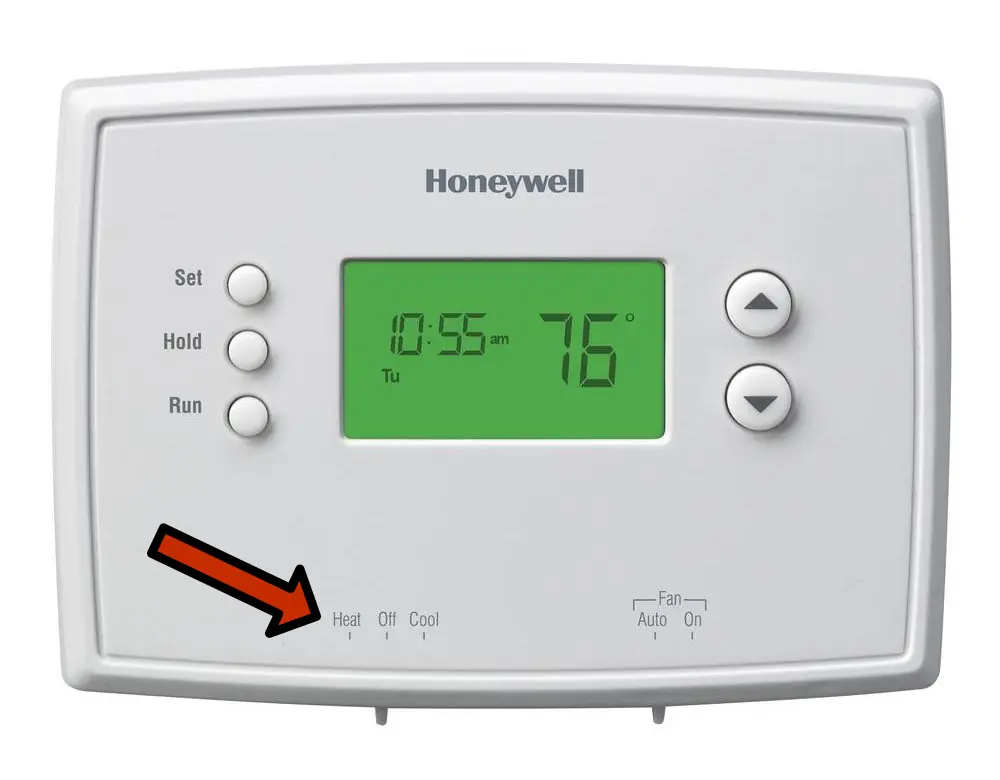
It may seem apparent, but the most common reason for no heat calls is thermostat problems.
Verify that the thermostat is set to Heat rather than Cool or Off.
Set the temperature to at least three to five degrees higher than room temperature.
Verify that the fan is on Auto rather than On.
Even if the screen is still functional, change the batteries if the thermostat requires them.
Additionally, smart thermostats may lose WiFi or switch to scheduling settings that stop heating. Change to manual mode for the time being and retest.
If the furnace turns on after the thermostat is adjusted, the problem was probably control-related rather than mechanical.
Step 2 Look At The Furnace Power
Even natural gas-powered furnaces need electricity.
Verify sure the furnace switch next to the unit is turned on.
If the circuit breaker trips, check it and reset it once.
Look for a service switch that might have been inadvertently switched off.
Don't keep resetting the breaker if it trips again. That suggests an electrical problem that has to be fixed by professionals.
Step 3 Look For Error Codes Or Flashing Lights
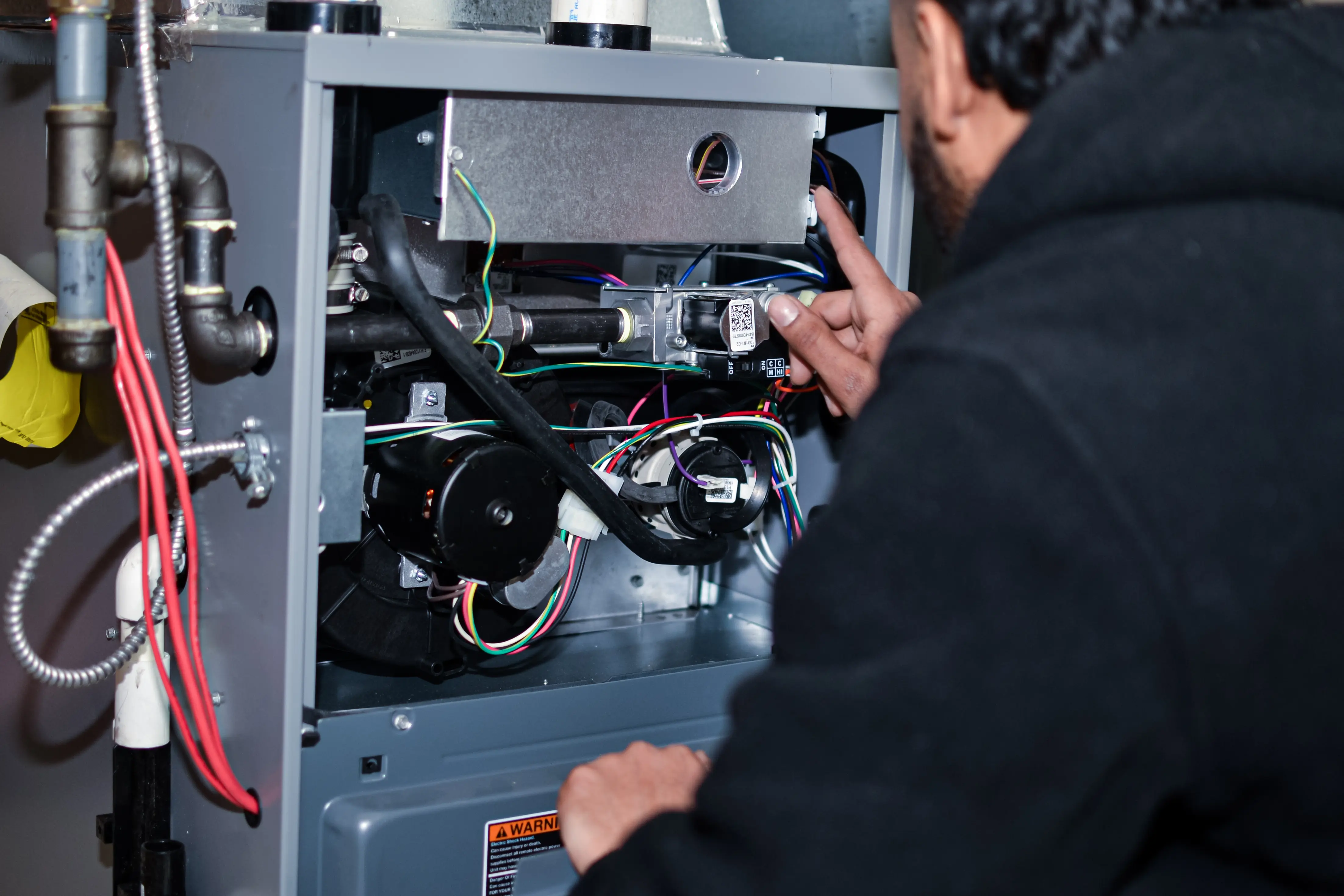
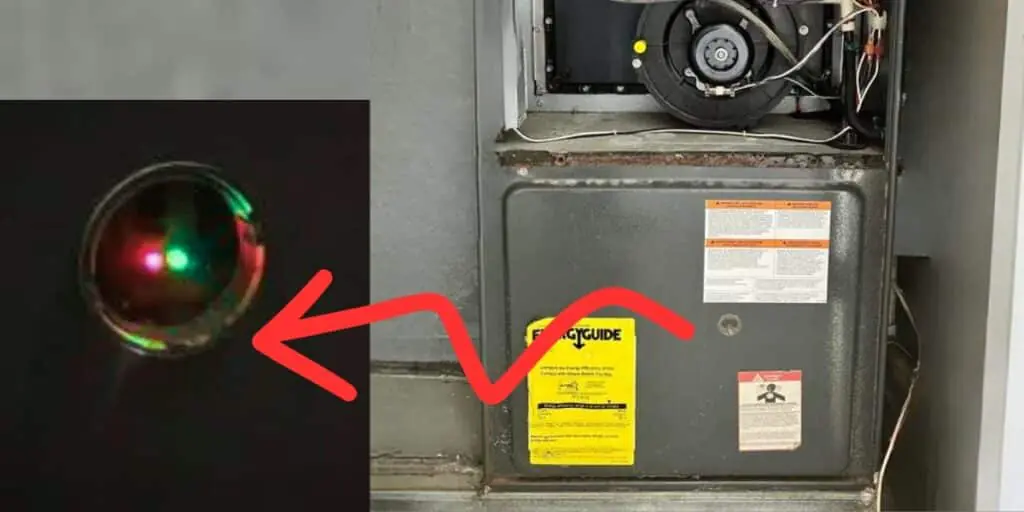
The majority of contemporary furnaces feature a tiny viewing glass with an LED light that blinks.
Determine the pattern by counting the number of flashes.
The reason the furnace shut down is indicated by this code.
Common codes are related to overheating or ignition of airflow pressure switches.
Giving the code to a technician can greatly expedite diagnostics, but you do not need to decipher or correct it yourself.
Step 4 Check The Furnace Exhaust And Intake Pipes
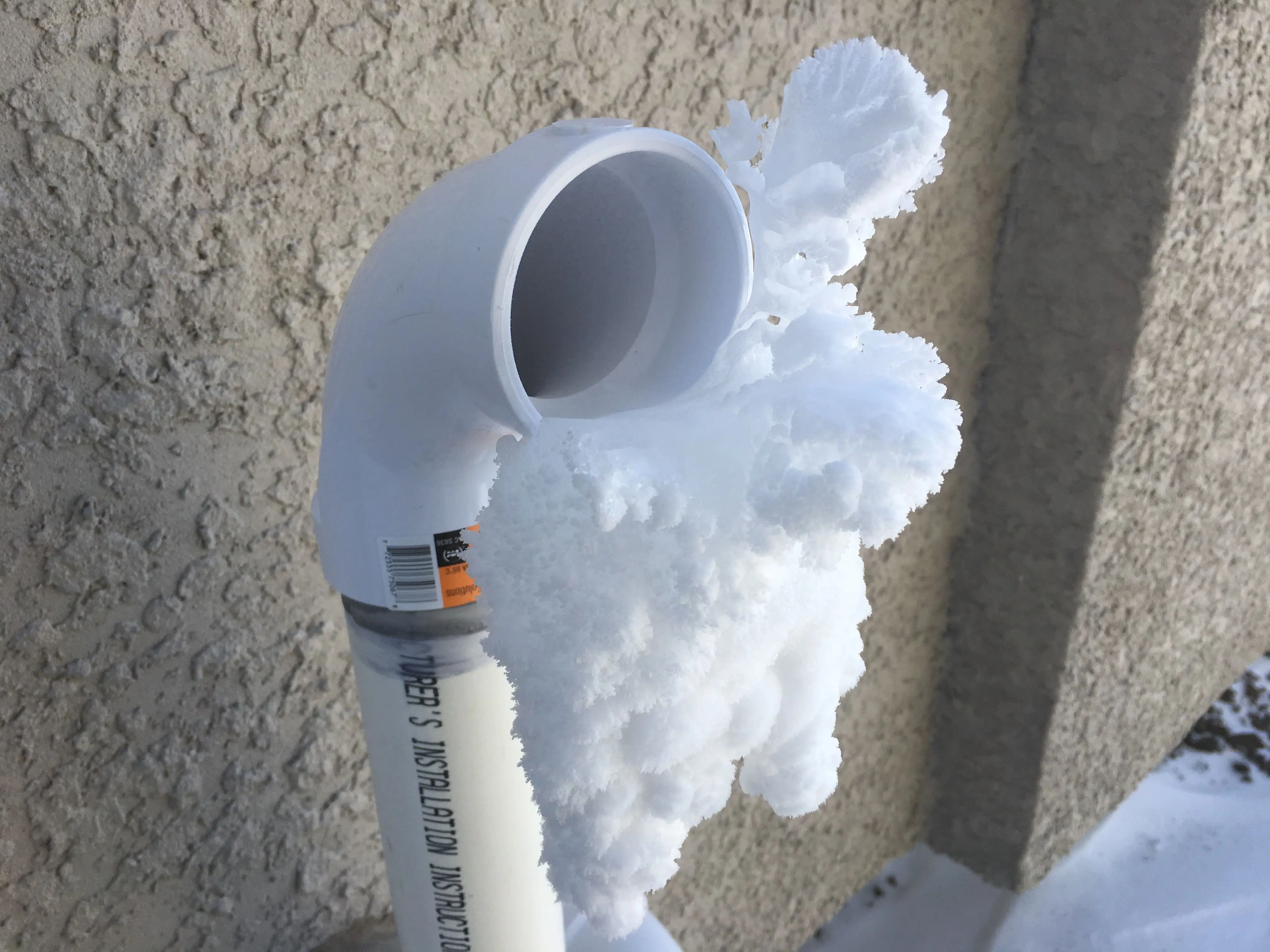
PVC pipes are used in high-efficiency furnaces to deliver exhaust combustion gasses and fresh air.
Look for snow, ice, leaves, or other debris obstructing the pipes outside the house.
After a lot of snow, make sure the pipes are not buried.
Look for obvious disconnections inside the house.
As a precaution, a clogged intake or exhaust pipe will stop the furnace from operating.
When To Stop Troubleshooting And Call For Help
If you encounter any of the following, stop right once and contact a qualified HVAC specialist.
- Smell of gas
- Repeated breaker trips
- Loud banging grinding or screeching noises
- Furnace starts then shuts off repeatedly
- Error codes that persist after basic checks
- No heat after all steps above are completed
Modern furnaces have multiple safety systems designed to shut the unit down before damage or danger occurs. Bypassing or ignoring these safeties can be unsafe.
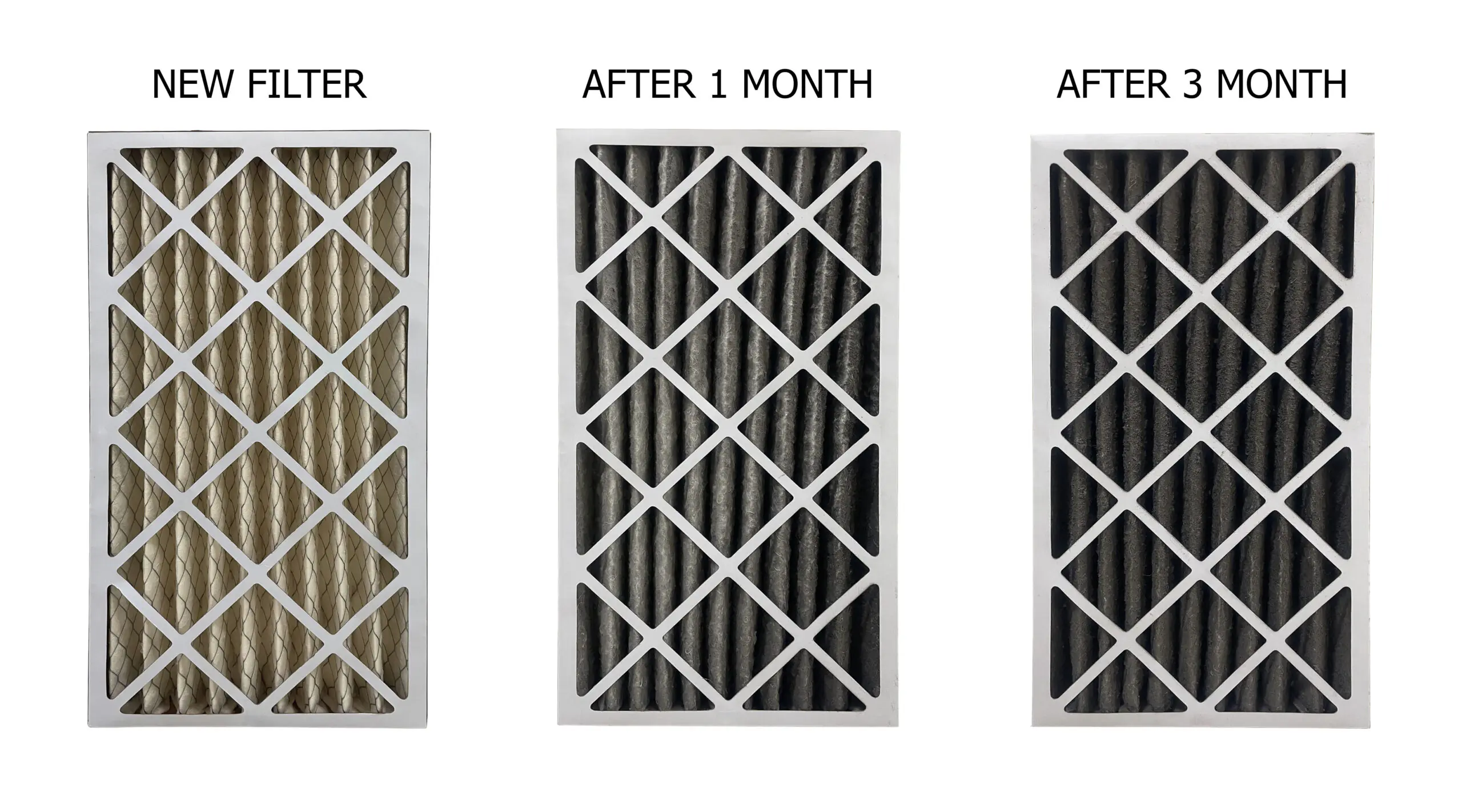
Why Heat Problems Don't Occur So Frequently Your heating system is most stressed by cold weather throughout the winter. Snow obstructs exhaust pipes, filters clog more quickly, doors and windows increase heat loss, and minor problems that went unnoticed in the fall turn into failures during periods of high demand.
By detecting airflow igniting and safety concerns before winter hits, annual maintenance greatly lowers the likelihood of no heat emergency.
A furnace with no heat does not always mean a major breakdown. In many cases the issue is related to airflow power thermostat settings or safety shutoffs that protect your home.
We Specialize in Senior Accessibility
Give us a call to find out more about how we help with age-in-place


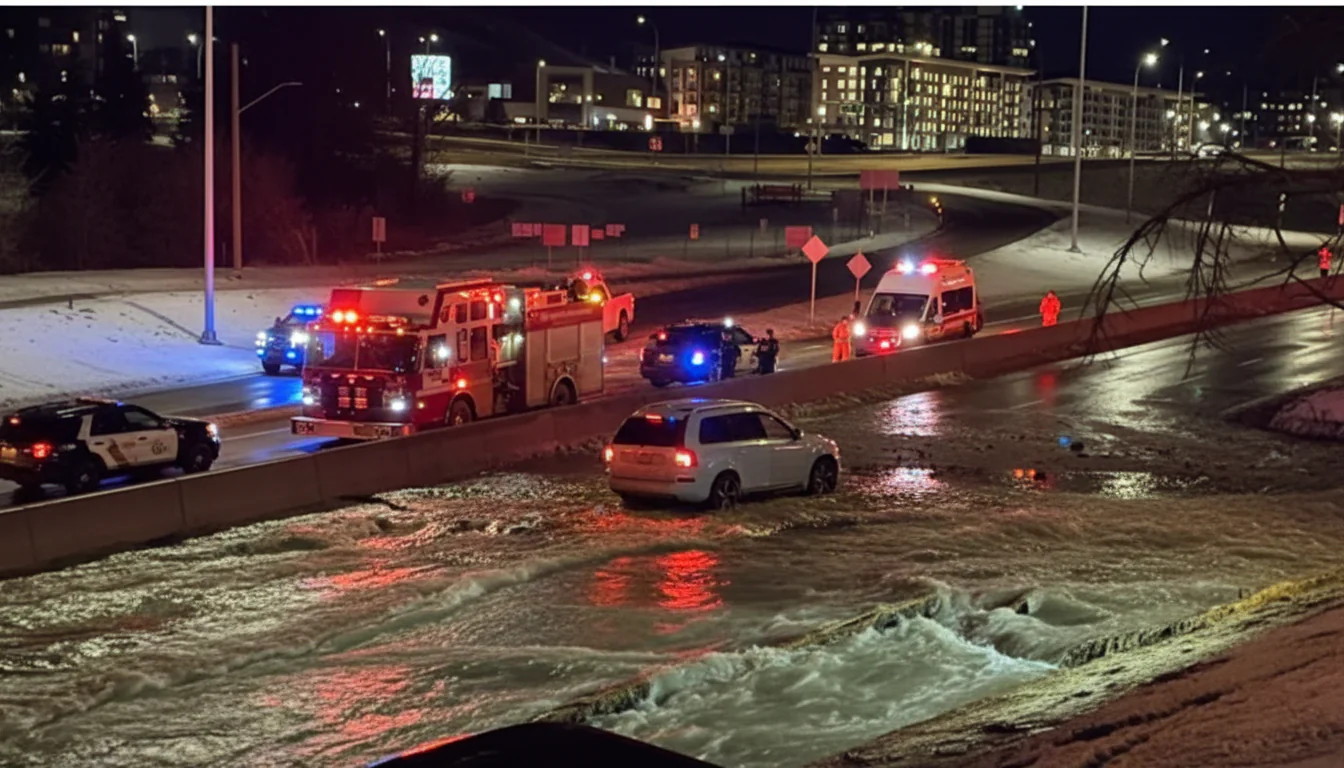

Keeping Our Families Safe: A Calgary Mom’s Guide to Boil Water Advisories After the Water Main Break
The Water Main Break in Calgary & Its Extensive Effects At the height of the incident, vehicles were caught in

Proudly Serving Greater Calgary, AB